
Pure Dozo
THCa vs Delta 9
THCa vs Delta 9: What’s the Difference Between THCa and Delta 9 THC?
You’ve almost certainly heard of THC—or at least one of its many variations. But are you familiar with THCa? If this is your first introduction to this lesser-known cannabinoid, don’t worry. Many cannabis consumers are only now learning about THC’s acidic precursor and how it fits into the bigger picture.
So what exactly separates Delta-9 THC from THCa? Are they the same thing? And does THCa turn into Delta-9 THC when smoked? Let’s break it all down in this complete comparison of THCa vs Delta 9 THC.
When people think of a classic cannabis high, they’re thinking of Delta-9 THC. It’s the compound responsible for cannabis’ well-known euphoric and psychoactive effects. In everyday conversation, this is what most people simply call “THC.”
THCa, on the other hand, is the raw, non-psychoactive form of THC found in live cannabis plants. All Delta-9 THC starts as THCa. Only when heat is applied—through smoking, vaping, or cooking—does THCa convert into Delta-9 THC via a process called decarboxylation.
In short:
- Raw THCa = no high
- Heated THCa = Delta-9 THC (psychoactive)
Smoking or vaping THCa flower will feel essentially the same as smoking regular THC flower. But chemically and legally, there are important differences worth understanding.
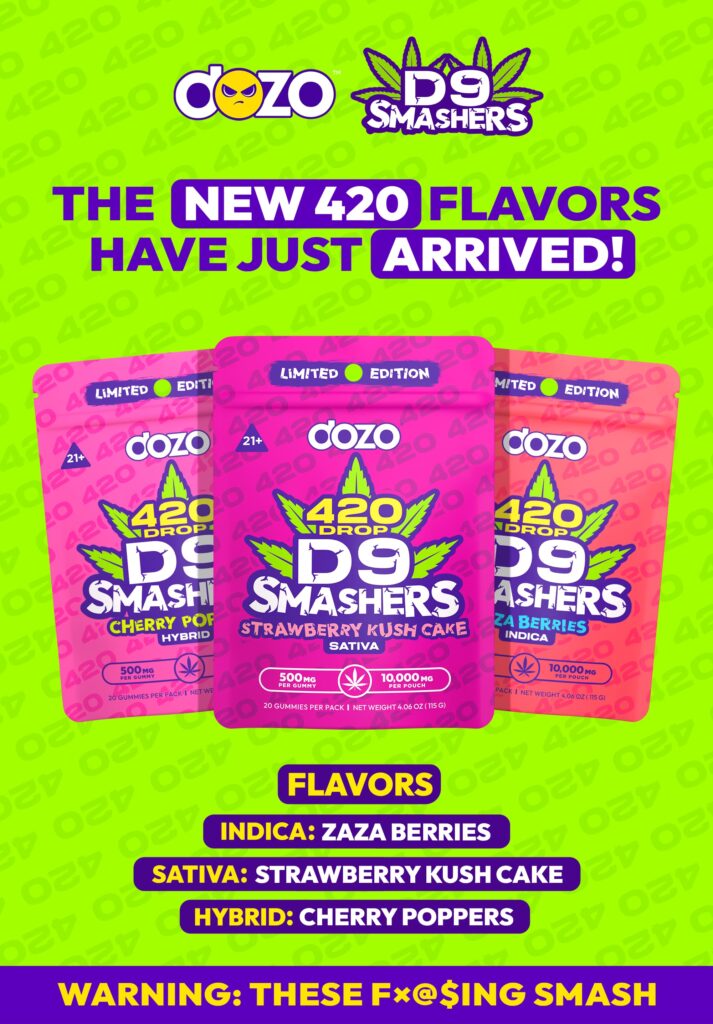
What Is Delta-9 THC?
Delta-9-tetrahydrocannabinol is the primary psychoactive cannabinoid in cannabis. It interacts directly with CB1 receptors in the brain, producing effects such as euphoria, relaxation, altered perception, and appetite stimulation.
Traditionally, Delta-9 THC products were derived from marijuana plants and sold through licensed dispensaries. However, innovation in cannabinoid extraction has changed the landscape.
Hemp-Derived Delta-9 THC
Thanks to the 2018 Farm Bill, hemp-derived cannabinoids became federally legal—provided the final product contains less than 0.3% Delta-9 THC by dry weight.
This loophole allows manufacturers to produce federally legal Delta-9 THC products such as:
- Gummies
- Tinctures
- Beverages
- Capsules
Even if a product contains 5–10 mg of THC, it can still comply with federal law due to its overall weight.
What Is THCa?
THCa (tetrahydrocannabinolic acid) is a naturally occurring cannabinoid found in raw, unheated cannabis. Unlike Delta-9 THC, THCa does not produce a high on its own.
THCa exists in:
- Fresh cannabis flower
- Live resin and live rosin
- Unheated concentrates
It remains non-psychoactive until exposed to:
- Heat (smoking, vaping, dabbing)
- Sunlight
- Prolonged room-temperature exposure
Once heated, THCa loses a carboxyl group and converts into Delta-9 THC.
Does Smoking THCa Turn It Into Delta-9 THC?
Yes—100%.
When THCa is smoked, vaped, or dabbed, it undergoes decarboxylation, transforming into Delta-9 THC. This is why THCa flower delivers the same intoxicating effects as traditional THC flower when combusted.
No heat = no high
Heat applied = full THC effects
Are THCa and Delta-9 THC the Same?
No. While closely related, they are two distinct cannabinoids.
| Feature | THCa | Delta-9 THC |
|---|---|---|
| Psychoactive | ❌ No | ✅ Yes |
| Found in raw cannabis | ✅ Yes | ❌ No |
| Requires heat | ✅ Yes | ❌ No |
| Legal (federally) | Often yes | Depends on source |
THCa only becomes Delta-9 THC after decarboxylation. Until then, it behaves differently in both the body and the law.
Is THCa Stronger Than Delta-9 THC?
On its own, THCa does not cause intoxication, so it is not “stronger” in the traditional sense.
However, once heated, THCa converts to Delta-9 THC at nearly a 1:1 ratio, meaning:
- 95% THCa flower ≈ 95% THC after decarboxylation
In practice, smoked THCa can feel just as potent as high-THC cannabis.
Potential Benefits
THCa (Non-Psychoactive)
Early research and anecdotal reports suggest THCa may offer:
- Anti-inflammatory properties
- Neuroprotective potential
- General wellness support
Because THCa research is still emerging, its full therapeutic potential remains under study.
Delta-9 THC (Well-Studied)
Delta-9 THC has demonstrated benefits including:
- Pain relief
- Appetite stimulation
- Nausea and vomiting reduction
- Mood enhancement
- Muscle relaxation
Like all cannabinoids, moderation is key.
Side Effects
Delta-9 THC side effects may include:
- Dry mouth
- Red eyes
- Fatigue
- Dizziness
Raw THCa does not produce these effects unless it is heated and converted to THC.
Consumption Methods
THCa
- Juicing
- Raw tinctures
- Unheated concentrates
- Flower (when smoked or vaped → THC effects)
Delta-9 THC
Once heat is applied, THCa and Delta-9 THC offer nearly identical experiences.
Legality & Accessibility
- THCa products are federally legal when derived from hemp
- Delta-9 THC legality depends on state laws
- THCa flower is widely available online due to legal loopholes
- Smoked THCa still produces THC-like effects despite legality
Always check local regulations before purchasing.
Which Is Better: THCa or Delta-9 THC?
Neither is inherently better—it depends on your needs.
Choose THCa if:
- You want a federally legal option
- You prefer non-psychoactive benefits
- You want flexibility (raw or heated use)
Choose Delta-9 THC if:
- You want immediate, predictable effects
- You have legal access
- You prefer traditional cannabis experiences
Final Thoughts on THCa vs Delta 9 THC
THCa and Delta-9 THC are closely connected but fundamentally different. THCa is the raw precursor; Delta-9 THC is the activated compound responsible for the high.
Smoke, vape, or dab THCa—and you’ll experience the same effects as Delta-9 THC due to decarboxylation.
At the end of the day, both cannabinoids have a place in modern cannabis culture. Your ideal choice depends on legality, consumption method, and desired effects. Although they have the potential to be the same thing, we’ve shown you where THCa vs delta 9 THC differ.
Make an informed decision—and enjoy responsibly. 🌿
